

On June 5, 2026, Google Search Central released a series of important updates, which not only include guidelines for evaluating third-party SEO tools, services, and advice, but also explicitly point out numerous misconceptions currently surrounding generative AI search (AEO/GEO). This release acts like a wake-up call, aiming to help businesses clear away the fog and return to the essence of digital marketing. As a professional agency with years of deep cultivation in the digital marketing field, we deeply understand the profound impact of these changes on corporate strategic planning. Starting from Google’s latest guidelines, this article will deeply analyze which so-called “shortcuts” are actually futile in the era of AI search, what fluctuations and challenges enterprises will face, and how to build truly effective and sustainable digital marketing strategies to cope with this transformation.
The core of Google’s June 2026 guidelines: Returning to the essence and separating fact from fiction
The core of Google’s latest update lies in emphasizing a return to foundational SEO best practices and dispelling the market’s many misconceptions about generative AI search. This is not only a correction of industry chaos, but also points the right direction for digital marketing in the AI era.
Beware of “AI Search Shortcuts”: The Five Major Misconceptions Debunked by Official Google
In its latest guidelines, Google clearly lists some of the hottest topics currently discussed on the internet regarding generative AI search (AEO/GEO), pointing out that many of these practices are “futile” and do not align with how Google Search actually works at all. These misconceptions include:
1.LLMS.txt files and other “special” markup:
- Misconception: Believing that it is necessary to specially create new machine-readable files, AI text files, tags, or Markdown in order to secure a place in generative AI search results.
- Google’s Clarification: You do not need to specially create such files for this purpose. Google is able to crawl and index many types of files, but this does not mean these files will receive special treatment. The core remains the quality of the HTML content on the website.
2.Content “chunking”:
- Misconception: Deliberately breaking content into fragmented pieces so that AI can better understand it.
- Google’s Clarification: Google’s systems are able to understand the nuances of multiple topics on a webpage and display relevant content to users. Content length should be determined by the audience and the topic, with no so-called “ideal standard.” The key is to create content for your audience, rather than simply to cater to the generative AI search experience.
3.Rewriting content specifically for AI systems:
- Misconception: Deliberately changing writing styles to cater to the generative AI search experience, such as overly focusing on “long-tail” keywords or covering every possible phrasing.
- Google’s Clarification: AI systems are able to understand synonyms and the general meaning of user search intent, connecting users with webpages that are highly relevant even if they do not use the exact same words. Therefore, there is no need to sacrifice the naturalness and readability of content just to cater to AI.
4.Deliberately pursuing fake “mentions”:
- Misconception: Believing that artificially manufacturing fake “mentions” across the web can improve performance in generative AI features.
- Google’s Clarification: This approach is not as effective as it sounds. Google’s core ranking systems are dedicated to discovering quality content and blocking spam. Generative AI features are rooted in these foundations, and fake mentions cannot fool the system.
5.Overfocusing on structured data:
- Misconception: Believing that generative AI search requires special structured data or schema.org markup.
- Google’s Clarification: Generative AI search itself does not require special structured data. However, Google still recommends continuing to use it as part of an overall SEO strategy because it helps your webpages qualify for rich results displays in Google Search. This indicates that the importance of structured data lies in the rich display of traditional search results, rather than directly influencing AI citations.
Google’s emphasized “Next Steps: Focus Areas”:
After debunking these misconceptions, Google clearly pointed out the core points businesses should focus on when optimizing their websites:
- Apply SEO best practices to the generative AI search experience: Continue to prioritize foundational SEO best practices, such as building a clear technical structure and creating unique, valuable content. These are the cornerstones for enhancing a website’s visibility in the generative AI search experience (as well as Google Search as a whole).
- Create practical, reliable, and people-first distinctive content: Commit to developing unique content led by experts that provides deep value beyond conventional understanding. Emphasize the principles of E-E-A-T (Experience, Expertise, Authoritativeness, and Trustworthiness).
- Prioritize practical and effective SEO strategies rather than blindly chasing “AEO/GEO shortcut tricks”: Explicitly state that tactics like “content chunking,” creating unnecessary AI text files (such as LLMS.txt), or seeking fake mentions can be ignored.
- Explore agentic experiences: Closely monitor emerging technologies that enable AI agents to interact with your website, such as browser agents and new protocols.
The message conveyed by Google’s latest update is crystal clear: there are no shortcuts. The essence of AI search is to better understand and serve users, rather than requiring special “feeding” methods. Any attempts to “fool” AI through technical means will ultimately be in vain. Enterprises should shift their focus back to high-quality content creation and a solid technical foundation.
Key Points Under the Correction of Chaos:
Google’s series of clarifications will undoubtedly trigger a “correction of chaos” in the digital marketing industry, bringing a series of fluctuations and challenges to enterprises.
The Intensification of Information Confusion and Decision-Making Dilemmas:
Over the past period, the market has been flooded with a large number of “new concepts” and “exclusive secrets” regarding AEO/GEO, causing many enterprises to blindly follow the trend under AI anxiety and invest massive resources into trying strategies that Google official now explicitly points out as “futile.” Following this clarification, enterprises will face greater decision-making dilemmas: how to distinguish truth from falsehood, how to adjust existing marketing strategies, and how to avoid falling into traps again.
Crisis of Trust and the Reshuffling of Service Providers:
Some irresponsible SEO/GEO service providers have exploited businesses’ ignorance and anxiety regarding AI search to peddle so-called “shortcut tricks.” Google’s official statement will directly impact the reputation of these providers, triggering a crisis of trust within the industry. For enterprises, choosing digital marketing partners will become much more cautious. Professional agencies that truly adhere to Google’s guidelines and provide transparent services will stand out, while service providers that rely on “black-hat tech” will face elimination.
The Necessity of Strategic Adjustment and Resource Reallocation:
For enterprises that have already invested resources into trying “AI search shortcuts,” there is now a need to reassess their digital marketing strategies and reallocate resources. This means it may be necessary to halt certain ineffective optimization efforts and shift the focus back to high-quality content creation, user experience optimization, and the refinement of foundational technical architecture. This adjustment process may be accompanied by growing pains, but it is the essential path to achieving sustainable growth.
Risk Warning: The Cost of Blindly Chasing “Shortcut Tricks”
Google explicitly points out that if SEO practitioners create deceptive or misleading content on your behalf, your website may be completely removed from Google’s index. For enterprises, this is an extremely severe risk. Blindly chasing “shortcut tricks” debunked by official Google not only wastes resources, but may also cause the website to suffer penalties, or even lose its visibility in Google Search, dealing a devastating blow to brand reputation and business development.
This fluctuation is an inevitable stage of industry maturity. Enterprises should view it as an opportunity to reassess and optimize their digital marketing strategies rather than cause for panic. The key is to keep a clear head, return to the essence of marketing, and choose partners that can truly deliver long-term value.
In the AI era, true SEO/GEO strategies: People-first, technology as a supplement
Google’s latest guidelines once again emphasize a core concept: No matter how technology evolves, the user is always at the center. A true SEO/GEO strategy revolves around user needs, supported by a solid technical foundation and high-quality content.
Content is King, Practicality Above All: Create for Users, Not AI
Google explicitly points out that content creation should be “for your audience, rather than simply to cater to the generative AI search experience.” This means:
- Provide In-Depth Value: Content should go beyond conventional understanding, offering unique insights and solutions.
- Practicality and Reliability: Content must genuinely solve user problems, provide accurate and reliable information, and be led by experts.
- Non-Homogenized: Avoid copy-pasting or low-quality content produced in bulk by generative AI, and strive for originality and uniqueness.
High-quality content is the foundation for attracting users and earning AI’s trust. When content is genuinely valuable to users, AI will naturally identify it as an authoritative source for citation and recommendation. This aligns seamlessly with the “content marketing” philosophy that YouFind has long advocated.
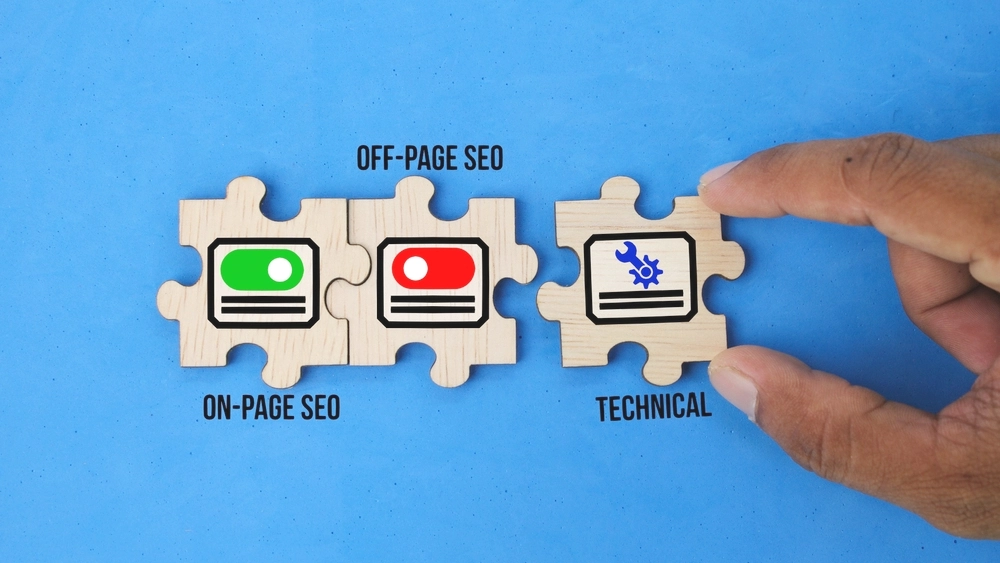
Solid Technical Foundation: SEO Best Practices Remain the Cornerstone
Google emphasizes “continuing to prioritize foundational SEO best practices, such as building a clear technical structure” . This includes:
- Website Technical Architecture: Ensure fast loading speeds, mobile-friendliness, clean URL structures, and strong crawlability.
- User Experience (UX): Provide smooth navigation, a clear layout, and a great interactive experience.
- Security and Compliance: Adopt HTTPS to ensure website security and comply with relevant laws and regulations.
Technical SEO is like the foundation of a skyscraper; if the foundation is unstable, no matter how magnificent the superstructure, it will not last. YouFind has always viewed technical SEO as the cornerstone of digital marketing, ensuring that clients’ websites meet Google’s highest standards from a technical perspective.
Understanding AI, Not Catering to AI: The Strategic Value of Multilingualism
Google clarifies that AI systems can understand synonyms and the general meaning of user search intents without the need to deliberately change writing styles. This indicates that we should focus on helping AI better understand our content rather than trying to “cater” to it. A multilingual strategy is precisely where this philosophy exerts its unique value.
- Meeting Users’ Native Language Needs: When enterprises provide high-quality, localized multilingual content, they directly satisfy the search needs of users in different languages. When processing multilingual queries, AI systems will prioritize matching authoritative content most relevant to the user’s language.
- Enhancing AI Comprehension and Citation: High-quality localized content, with its clear semantics and accurate context, is more easily and precisely understood and attributed by AI systems. This naturally increases the probability of the content being cited and recommended by AI, especially in generative search results like Google AI Overviews (AIO).
- Building a Global Knowledge Graph: Multilingual content helps AI establish a brand’s knowledge graph across different language markets worldwide, enhancing the brand’s global authority and visibility.
Multilingual websites are no longer merely tools for expanding market coverage; they are core elements of GEO success. They ensure that your brand information is understood by global users and AI systems with “native-level” precision, thereby gaining stronger competitiveness in the global market. Our AI website-building multilingual feature is designed precisely based on this core insight, aiming to help enterprises achieve a global footprint while returning to the essence of content, naturally meeting the dual demands of AI and users.
YouFind Helps Enterprises Move Forward Steadily Amidst Transformation
Google’s latest guidelines from June 2026 have brought profound changes to the digital marketing industry. They clearly tell us that in the era of AI search, there are no so-called “shortcuts” or “trick methods.” Returning to the essence of content, strengthening the technical foundation, and remaining user-centric are the ultimate paths for enterprises to achieve sustainable growth.
As an experienced digital marketing company, we have always adhered to the principles of professionalism, transparency, and customer-centrism. We deeply understand the evolution direction of Google’s algorithms and are committed to helping enterprises:
- Mitigate Risks: Stay away from the “AI search shortcuts” officially debunked by Google to ensure the safety of your digital assets.
- Focus on the Essence: Allocate resources into the creation of high-quality, practical, non-homogenized content and the optimization of website technical infrastructure.
- Seize Opportunities: Through YouFind’s multilingual AI website-building services, naturally meet the native language needs of global users, increase content citation rates in AI search, and thereby gain an advantage in GEO competition.
In this AI era full of challenges and opportunities, YouFind looks forward to joining hands with you to build a stronger, smarter, and globally competitive digital future. Contact the YouFind expert team today for professional digital marketing consultation, and let your brand move forward steadily and shine brightly in the new era of AI search!