
The “invisible battleground” for Hong Kong enterprises’ conversion rates
In Hong Kong’s highly competitive B2B and high-value B2C markets, traffic acquisition is only the first step. As senior marketing analysts, we have observed a common phenomenon: many enterprises invest heavily in advertising and promotion, yet their conversion rates remain below expectations. The core reason is often hidden in search engines’ “background checks”. When potential customers search for your brand name just before making a final decision, the information shown on the first page is your “virtual storefront”.
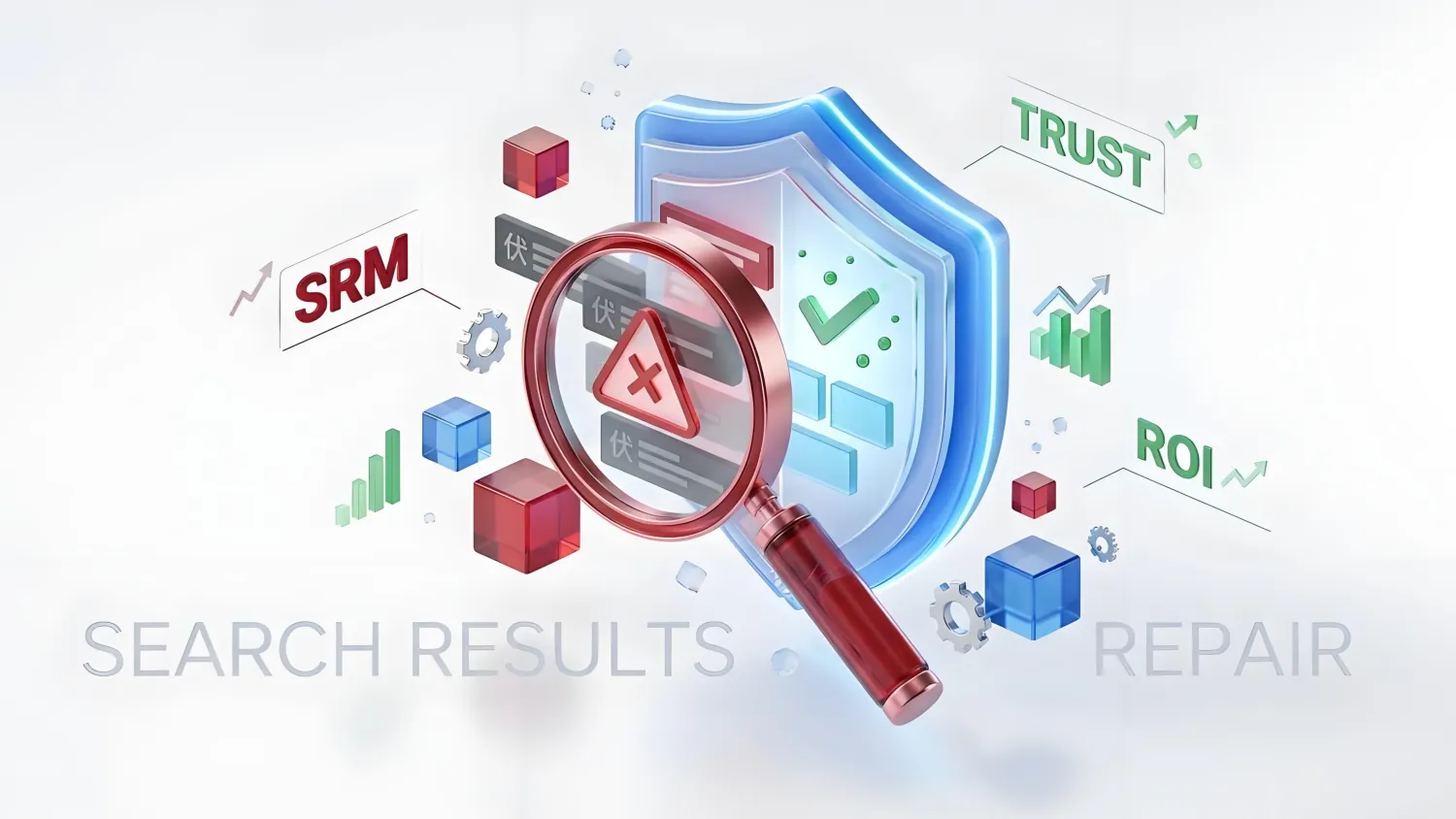
The value of a blog post does not lie in teaching customers to “choose you”, but in proving that we have a mature methodology to solve your anxieties. If the first page of search results is filled with unmanaged negative information, this is not only a public relations issue, but also a direct financial loss. SRM (Search Reputation Management) is not simply a ranking competition. Rather, as a “risk reducer”, it ensures that the information potential customers see is balanced, professional and authoritative, thereby guiding search behaviour towards a “reasonable” cooperation outcome. More strategies can be found in the search marketing column.
Your website has decent traffic, but the conversion rate remains low?
Underlying technical errors may be stopping users from placing orders. YouFind provides comprehensive data monitoring and tracking analysis to help you identify the real reasons why customers are dropping off.
Book professional services nowCommon negative keywords in Hong Kong: Analysing the precise damage to corporate reputation
In Hong Kong’s online context, certain negative terms have extremely high transmissibility and destructive power. These terms directly target a company’s integrity and stability, making them a “fatal poison” for conversion rates.
| Keyword combination examples | Psychological impact on potential customers | Specific damage to business conversions |
|---|---|---|
| “Brand name + trap / scam” | Creates a strong sense of insecurity and an expectation that purchasing will result in loss. | Extremely high drop-off rate after ad clicks, causing CPA costs to surge significantly. |
| “Brand name + victim group” | Leads people to believe that the brand has systemic issues and lose confidence in its after-sales service. | Long-term cooperation opportunities are lost, and customers turn to competitors. |
| “Brand name + negative reviews / complaints” | Raises doubts about professionalism and undermines the brand’s premium pricing power. | Negotiation power declines, and the sales cycle is significantly prolonged. |
Once these terms appear near the top of search results, they form a kind of “negative authority”. As a “problem deconstructor”, YouFind’s expertise lies in identifying the technical weight behind these keywords and, through strategic content planning, reducing their visibility and returning control of the narrative to the enterprise. It is recommended to combine this with Digital PR services for brand restoration.
Why are traditional PR methods unable to fully resolve reputation crises in search results?
When many enterprises face online criticism, their first reaction is to publish a brief statement. However, in the search engine ecosystem, a single official statement often struggles to compete against forum posts with frequent interactions. This is exactly why we emphasise that SRM requires a “methodology” rather than a “slogan”. From a consultant’s perspective, we analyse potential customers’ decision-making paths and provide neutral, structured professional content to balance public opinion.
This approach is not about forcibly covering up problems. Rather, as a “framework builder”, it constructs a resilient brand content matrix for the enterprise. When search results present multi-dimensional professional analysis, media interviews and successful case studies, a single negative voice will appear one-sided, thereby effectively reducing customers’ decision-making risk.
Are negative search results affecting conversions?
Rebuild control of the search results homepage through data and content strategies, and help customers trust your brand again.
Book a consultant analysisFacing AI search and major trends: Strategic defence of brand reputation
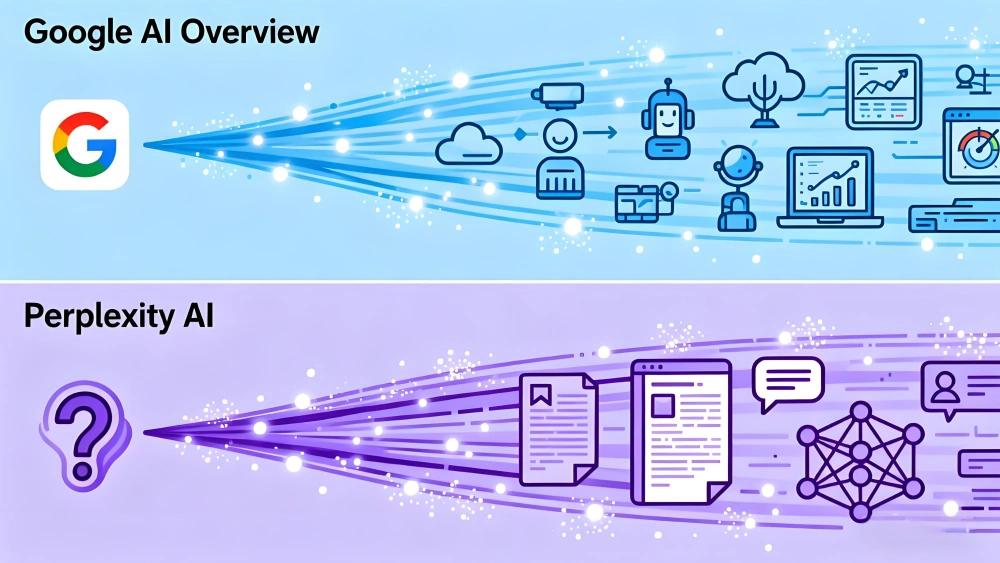
In the AI era, search tools no longer simply provide links; they directly generate summaries about brands. If the proportion of negative data online is too high, AI-generated evaluations will be highly unfavourable to the brand. This is precisely why SRM is indispensable in modern marketing. We need to ensure that AI can retrieve a sufficient number of authoritative positive assets. This is not only for current conversions, but also for future survival. It is recommended to simultaneously deploy AI SEO optimisation.
Has AI search started affecting brand trust?
Plan AI platform content in advance to avoid your brand being misinterpreted or negative information being amplified.
Learn about AI SEOTurn search results into your reputation asset
Every blog post should occupy the right position. When you find that search results no longer reflect your company’s true capabilities, seeking intervention from a professional SRM consultant is the “reasonable path” to protecting enterprise conversion rates. Some leading enterprises choose to first conduct a comprehensive “search reputation health check” to understand current potential risk points. Let professional solutions safeguard your brand and turn search pressure into brand momentum. More cases can be found in the latest industry observations.
Frequently Asked Questions (FAQ)
Why do search engines prioritise forum posts that are unfavourable to my company?
Search algorithms prioritise content with high interaction rates and click volumes. Negative discussions often possess these characteristics, making them more likely to rank highly. Our services aim to rebalance the structure of search results by increasing the weight of professional and authoritative content.
Can simply deleting negative reviews online solve reputation problems?
Deleting negative reviews often treats only the symptoms rather than the root cause, and may even trigger a larger public relations backlash. The truly professional approach is “reputation reshaping”, using high-quality brand assets to occupy the first page of search results so that negative information becomes naturally marginalised.
How is SRM different from a general public relations (PR) company?
Traditional PR focuses on media relations and statement publication, while SRM focuses on “control of the narrative within search engines”. We combine data analysis and content planning to precisely intervene at search nodes that affect conversion rates.
If malicious smears from competitors appear in search results, can SRM handle them?
Yes. We can help enterprises establish a brand defence line supported by both legal and technical foundations. By strengthening information coverage from official and authoritative third-party sources, we can neutralise the visibility of false accusations.
How long does SRM take to show a clear brand restoration effect?
Reputation rebuilding is a process of continuous accumulation. Usually, within 3 to 6 months after implementing a mature methodology, the health of the first page of search results will improve significantly, which will then be reflected in improved conversion rates.
For smaller enterprises, does investing in SRM services provide a high ROI?
For high-value services or B2B industries, the loss of a major client often far exceeds the consulting cost of SRM. Protecting existing conversion paths from being interrupted by negative information is the most direct way to improve ROI.
How can I assess whether my brand is currently facing a search reputation crisis?
If negative titles appear among the top three results when searching for “brand name + related terms”, or if negative content accounts for more than 20% of the first page, it means your conversion path is already under threat, and a professional assessment is recommended.
Can SRM help if AI search tools (such as ChatGPT) give poor brand evaluations?
AI evaluations originate from data across the web. By deploying a large amount of accurate and professional content on authoritative platforms, we can influence the data sources acquired by AI models, thereby improving AI-generated summaries of the brand.
Will implementing SRM make the brand look too “artificial” and lose authenticity?
Professional SRM emphasises “balance of facts”. We help enterprises present diversified, authentic content with professional depth, such as expert interviews and customer case studies. This can instead increase brand transparency and genuine trust.
If the negative comments online are genuine customer complaints, is SRM still effective?
Yes. In this situation, SRM acts as a “risk reducer”. We guide enterprises to occupy search space with a professional and responsible attitude, demonstrating sincerity and processes for resolving issues, and preventing a single incident from being infinitely amplified into the brand image.