
SEO Services Are More Than Just Rankings; They Are a Core Digital Asset
In the realm of digital marketing, “SEO” might be the most frequently heard term, yet it is also the most misunderstood. Many business owners still cling to outdated concepts, believing that “SEO services are just about filling in keywords in the backend” or “getting the company name on the first page of Google.”
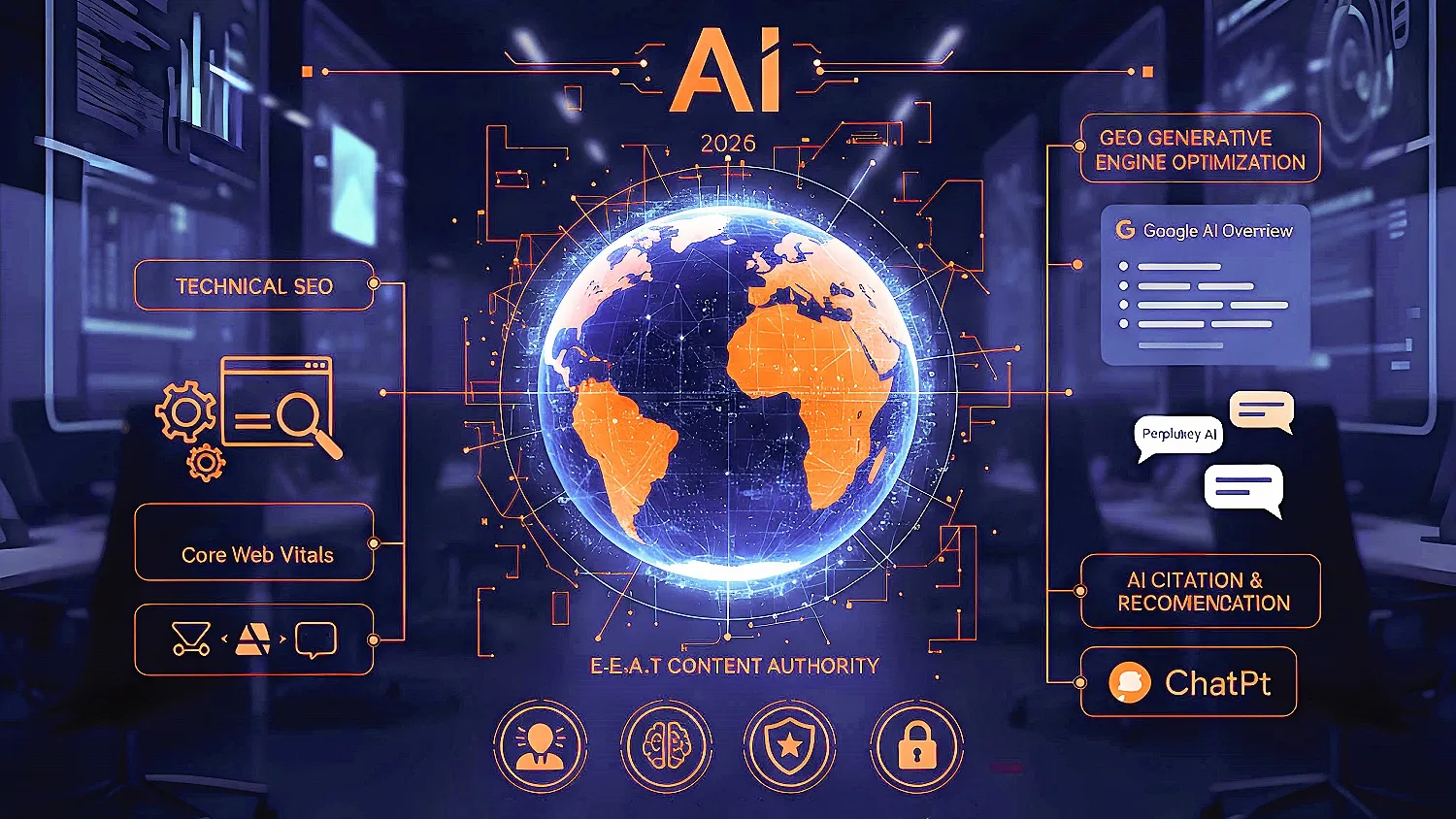
However, as search engine algorithms have become highly intelligent—especially as we move through 2026—the search experience has undergone a fundamental qualitative shift. True SEO Services have evolved into a complex system of “Digital Growth Engineering.” A professional SEO Optimization Service plan aims not to capture fleeting vanity metrics, but to build a continuous, stable, and high-conversion organic traffic channel for the enterprise, turning it into “digital real estate” with immense appreciation potential.
The Core Pillars of Professional SEO Services: From Infrastructure to Cloud Authority
To measure the professionalism of an SEO service, one must observe whether it possesses a complete technical framework. Professional services do not make superficial adjustments; they perform deep strategic positioning across the following dimensions:
1. Technical SEO: A Healthy Website Constitution
If your website architecture is poor, even the best content cannot be effectively indexed by search engines. It is like building a luxury mansion on mud; without a solid foundation, all efforts are in vain.
- Optimization of Core Web Vitals: Achieving excellence in LCP (Loading Performance), INP (Interaction to Next Paint), and CLS (Visual Stability). In a mobile-first era, a difference of microseconds determines user retention.
- Schema Markup: Using high-precision code to proactively inform Google of your product specifications, user reviews, and physical store information. This not only increases the visual footprint of the website in search results (Rich Snippets) but also serves as a vital bridge to AI-driven search.
- Crawler Path Optimization: Ensuring that XML Sitemaps and Robots.txt are configured correctly to guide search engine bots toward high-value business pages first.
2. Content Strategy and User Intent: The Power of Information Utility
In 2026, simple “keyword stuffing” is a thing of the past. Modern SEO service content must produce highly authoritative material that aligns with user search intent.
-
The E-E-A-T Authority Framework: This is Google’s highest standard for evaluating quality.
- Experience: Demonstrating first-hand industry practice.
- Expertise: Providing in-depth professional analysis.
- Authoritativeness: Establishing the website’s voice within its field.
- Trustworthiness: Ensuring information is transparent, secure, and credible.
- Semantic Entity Mapping: Moving beyond individual words to build a “Knowledge Graph,” allowing search engines to understand the brand’s relevant status within a specific industry.
3. Off-Page SEO: Brand Trust Endorsements
Backlinks are the “letters of recommendation” of the internet. Professional services utilize Digital PR to acquire high-quality links rather than using low-quality spam links, ensuring brand safety and long-term ranking stability.
The Turning Point: Traditional SEO vs. GEO (Generative Engine Optimization)
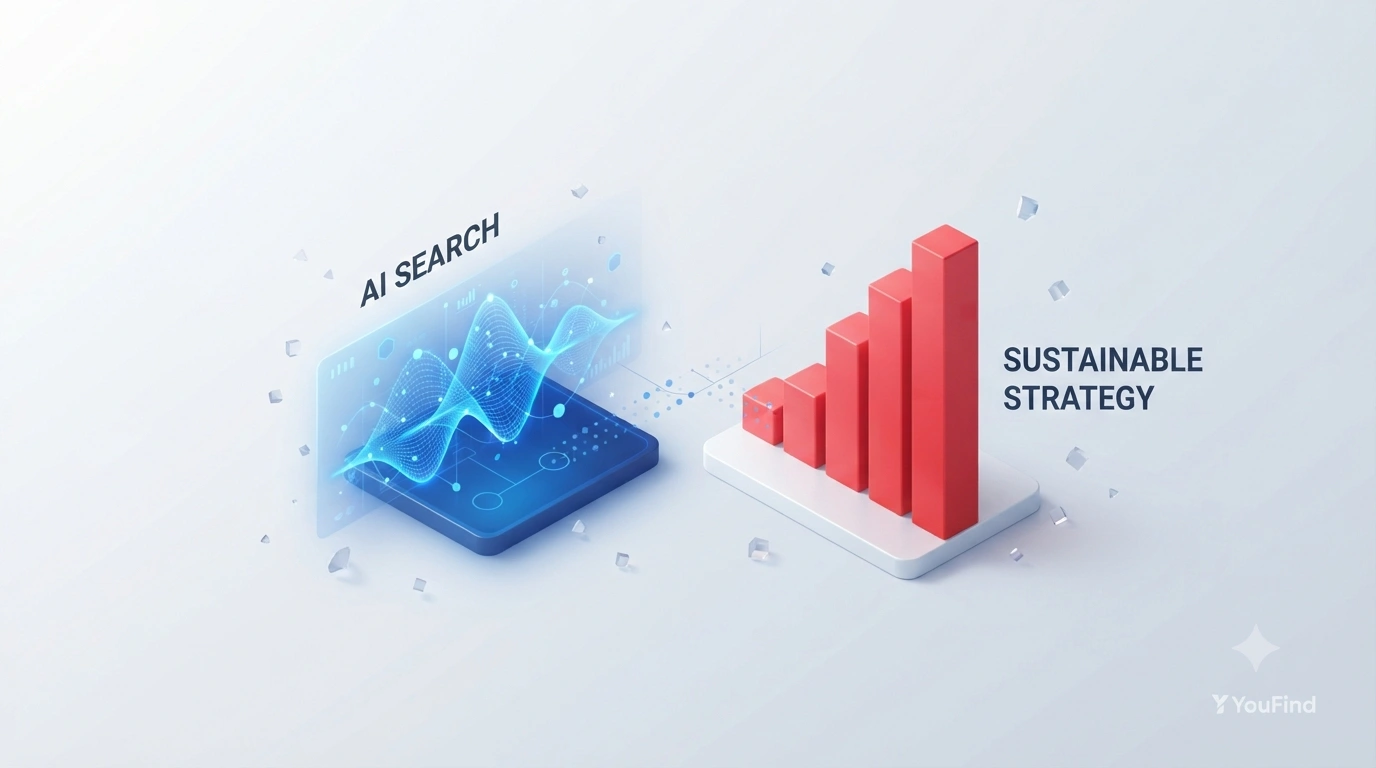
The search environment has undergone a Paradigm Shift in 2026. With the prevalence of generative search engines like Google AI Overviews and Perplexity, businesses must understand the importance of GEO (Generative Engine Optimization).
| Optimization Dimension | Traditional SEO | Generative Engine Optimization (GEO) |
|---|---|---|
| Core Objective | Acquire keyword rankings | Acquire “citations and recommendations” in AI-generated content |
| Content Format | Written for keyword density and headers | Written for semantic logic, structured data, and “citation value” |
| Technical Focus | Meta Tags, labels, internal linking | Entity association, data source labeling, conversational context |
| Metrics | CTR (Click-Through Rate) and Impressions | Brand mention rate, AI citation frequency, attributed conversions |
In our services, GEO has become an indispensable component. We don’t just optimize for what users search for; we focus on how systems like ChatGPT or Gemini crawl, understand, and recommend your brand as the “optimal solution.”
Why Do Businesses Need Professional SEO Optimization Services? Business Value Analysis
Many business owners ask, “What is the value of SEO?” The answer lies in its powerful “compounding effect.”
- Long-term Reduction in Customer Acquisition Cost (CAC): Unlike Paid Search (SEM), which requires constant bidding to maintain traffic, the effects of SEO services are cumulative. Once authority is established, every organic click is free, effectively hedging against the risk of rising advertising costs.
- Building Brand Credibility: Data shows that users trust organic results on the first page significantly more than links labeled as “Ads.” Appearing in the top positions is, in itself, a symbol of brand strength.
- Cross-channel Synergy: SEO optimization results (such as improved page speed and optimized content logic) can simultaneously boost the Quality Score of your ads, maximizing your overall digital marketing ROI.
SEO Service Priorities for Different Business Types
- B2B Enterprises: The focus is on establishing authority and acquiring high-quality leads. Content should focus on solving industry pain points and demonstrating professional consultancy capabilities.
- E-commerce: The focus is on product page rankings and conversions. This requires handling technical SEO issues caused by massive pagination and filters.
- Local Businesses: The focus is on Google Maps rankings and localized rating optimization to ensure local customers can find you immediately.
Common Pitfalls When Selecting SEO Services
When choosing a partner, avoid practices that damage long-term brand interests:
- Talking only about rankings, not conversions: If traffic doesn’t generate business value, high rankings are meaningless.
- Black Box Operations (Black Hat SEO): Using opaque or prohibited methods can lead to a website being permanently banned by search engines.
- Lack of Data Support: Professional services should provide detailed data reports, allowing business owners to clearly see where every cent of investment goes and the results it achieves.
For decision-makers who already have an SEO foundation, we have compiled the most common in-depth consultation questions regarding the generative search environment:
Q1: Since AI provides the answer directly and users no longer click through to the website, does GEO still have business value?
A: This is the most common misconception. In fact, the core of GEO lies in “Authoritative Attribution.” When an AI (like Google AI Overview or Perplexity) cites your content as a source, it provides a referral link. This “AI-endorsed” traffic typically has higher user trust and conversion intent than a standard click. The goal of GEO is to ensure your brand is the “only or preferred answer” recommended by AI.
Q2: What is the fundamental difference between GEO and traditional SEO techniques?
A: Traditional SEO emphasizes “keyword matching” and “page authority,” while GEO emphasizes “information entity-ization” and “semantic relevance.” In a GEO strategy, we emphasize structured data (Schema), citations of information sources, and logical clarity of content so that AI can efficiently “crawl and understand” your viewpoints.
Q3: My website has already implemented a lot of E-E-A-T layout; does this help with AIPO?
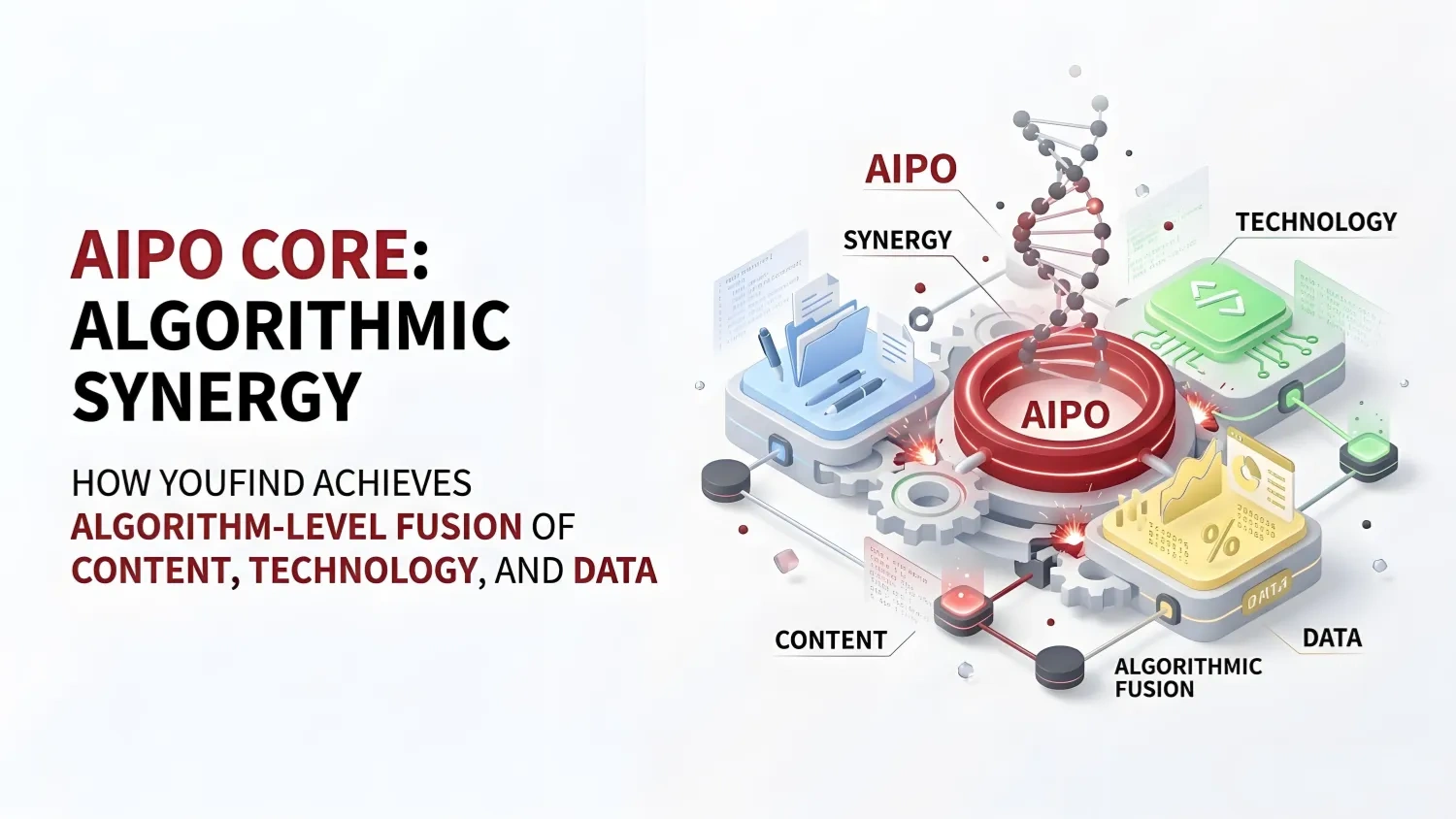
A: Absolutely. E-E-A-T (Experience, Expertise, Authoritativeness, Trustworthiness) is the vital underlying logic AI uses to filter recommended sources. AI tends to cite content with clear authorship, proof of professional background, and citations from other high-authority sites. AIPO translates these “authority signals” into formats that are easier for AI to read.
Q4: What specific technical markers do we need to add to the website for GEO?
A: Beyond basic JSON-LD structured data, GEO emphasizes “Entity Tagging.” This includes precise labeling of product features, brand comparisons, FAQs, and professional reviews. Furthermore, ensuring API friendliness and a clear Semantic Hierarchy is key to having AI crawlers prioritize your content.
Q5: How do we measure the success of GEO? AI search doesn’t have tools like Search Console yet.
A: While tools are still evolving, we can measure success through “Brand Mention Share,” “AI Citation Rankings,” and “Attributed Link Clicks.” Our team uses advanced tracking tools to simulate AI-generated environments and monitor your brand’s “Share of Voice” for specific industry queries.
Q6: If I invest in AIPO services now, how long will it take for my brand to appear in AI answers?
A: This depends on industry competition and the website’s existing foundation. Generally, for websites with established authority, optimization of content structure and reinforcement of citation signals can lead to a significant increase in AI summary appearances within 2 to 4 months.
Q7: Will GEO cause my website’s original keyword rankings to drop?
A: No. On the contrary, GEO and traditional SEO are complementary. GEO requires content to be more logical and structured, which aligns with Google’s requirements for high-quality content. Optimizing for GEO usually simultaneously improves performance in traditional search results, achieving a “double presence.”
Q8: For B2B companies, how do GEO priorities differ from B2C?
A: For B2B, the focus of GEO is on “uniqueness of solution” and “white-paper-level authority.” When processing B2B inquiries, AI prefers answers with logical reasoning. Therefore, our AIPO strategy emphasizes technical parameters, industry comparisons, and professional insights.
Q9: Are backlinks still important in the AI era?
A: Their importance has increased. AI search engines view backlinks as a “vote of trust.” If your site is cited by many authoritative industry media outlets, AI perceives your content as more reliable and prioritizes your information when generating answers. This is why our services include Digital PR.
Q10: There are many AI tools currently available; does GEO need to be optimized separately for different platforms like ChatGPT, Gemini, and Perplexity?
A: While algorithms vary, the underlying logic is shared: high-quality, structured content with proof of authority. Our service provides a comprehensive layout for mainstream “Generative Search Engines,” ensuring your brand maintains a consistent authoritative image across different AI platforms.
Viewing SEO as a Long-term Strategic Investment
SEO Services are not a short-term marketing expense, but the “construction of a digital asset.” It helps your business be accurately discovered in the vast ocean of the internet and remain invincible among competitors.
In the age of AI-driven search, upgrading from traditional SEO to GEO (Generative Engine Optimization) is an unavoidable task for enterprises. If you want to understand how a complete SEO Optimization Service can be applied to your specific business, feel free to contact the YouFind professional team for a free consultation. We will assist you in diagnosing existing website issues and formulating a dedicated digital growth blueprint.