

The War for “Attention”
Are your website analytics displaying troubling data? Visitors are spending very little time on your site, with your average Time on Page far below the industry standard. Even more frustratingly, your critical landing page bounce rate is abnormally high. This indicates that while you successfully attract traffic, you fail to convert visitors into customers or readers. This is more than just a data setback; it’s an invisible barrier to business growth.
Faced with this situation, many website managers ask: Where should I even begin to improve? The universally recognized key is to increase page dwell time, which directly correlates with user experience and search engine rankings. However, with limited resources, should we prioritize investing in boosting content appeal or resolving underlying technical issues? Which approach offers the highest Return on Investment (ROI)? This article will offer a deep dive, from a professional digital marketing perspective, into the respective roles and value of content optimization and technical optimization, helping you formulate the most effective strategy to increase page dwell time and reduce bounce rate.
Content Optimization: Capturing the Visitor’s Soul with “Appeal”
Quality content is the foundation for establishing a connection with visitors and providing value. When a user clicks onto your page, the first thing they encounter, and the basis for their decision on whether to stay, is the text, images, and information structure you present. Therefore, content optimization is the most crucial component of practical SEO techniques for improving bounce rate.
The Power of Content and Practical Methods
Excellent content directly addresses search intent and meets user needs. Practical implementation can focus on the following points:
- Precision of Titles and Introductions: Clearly inform the user within seconds that this page solves their problem, building an expectation to continue reading.
- Readable Formatting: Use clear subheadings, bullet points, bold keywords, and short paragraphs to reduce reading friction, allowing users to quickly scan and find key information.
- Integrated Use of Multimedia: Appropriately embedding relevant images, infographics, or short videos can effectively enrich the content and extend Time on Page.
- Strategic Internal Linking: Naturally guide users to related, extended content within the text. This is not only a practical SEO technique for improving bounce rate but also increases the overall browsing depth of the site.
Content Optimization ROI Analysis
Content optimization is generally considered a relatively lower-cost, high-impact strategy. Its advantage is that it directly boosts the page’s relevance and value to the target audience; as long as the content hits the pain point, it effectively retains users. However, its limitation is that if the website has fundamental technical barriers, such as slow loading speeds, even the most brilliant content cannot be smoothly delivered to the visitor.
| Advantages | Limitations |
|---|---|
| Directly enhances content value and relevance | Cannot solve user loss caused by technical issues |
| Cost is relatively controllable; can start with basic writing skills | Effectiveness depends on accurately grasping audience needs |
| Can be quickly implemented and tested (e.g., adjusting titles, formatting) | Powerless against users who leave due to poor experience |
Technical Optimization: The Cornerstone for Clearing Attention Obstacles
Technical optimization ensures your website provides a smooth, seamless user experience. This is the infrastructure for retaining visitors, especially when you find your landing page bounce rate is abnormally high. A technical diagnosis is often the first necessary step.
Key Technical Impact and Diagnostic Starting Points
Technical issues are an invisible funnel that drives users away before they even develop an interest in the content. Speed is the most crucial factor. How does slow web page loading speed reduce bounce rate? Studies show that for every 1-second delay in page load time, the bounce rate can significantly increase. Visitors have limited patience, and slow response directly leads to abandonment. Therefore, a systematic diagnostic method for abnormally high landing page bounce rate should include:
- Server Response Time Check: Ensure the hosting service is stable and appropriately located (for local users, a server in the Asia-Pacific region is often the optimal choice).
- Image and File Optimization: Compress image sizes, use modern formats (like WebP), and minify CSS and JavaScript code.
- Mobile Device Compatibility Testing: Ensure the website renders perfectly and touch operations are smooth on phones and tablets.
- Core Web Vitals Review: Pay attention to metrics like Largest Contentful Paint (LCP) and First Input Delay (FID), which directly impact the user’s perception of speed.
Technical Optimization ROI Analysis
Technical optimization requires a certain level of expertise and investment, making the barrier to entry higher, but its return is comprehensive and long-lasting. It paves the way for all visitors, ensuring content can be delivered smoothly. A lightning-fast, seamless website is the foundation for achieving good search rankings and positive user reputation.
| Advantages | Limitations |
|---|---|
| Fundamentally improves the access experience for all users | Initial investment cost and technical barrier are relatively high |
| Long-lasting results; one optimization can provide long-term benefits | Usually requires intervention from developers or a specialized team |
| A crucial technical foundation for search engine evaluation of website quality | Solely implementing it does not guarantee content will attract deep user interaction |
Professional Deep Dive: Synergy Creates the Highest ROI
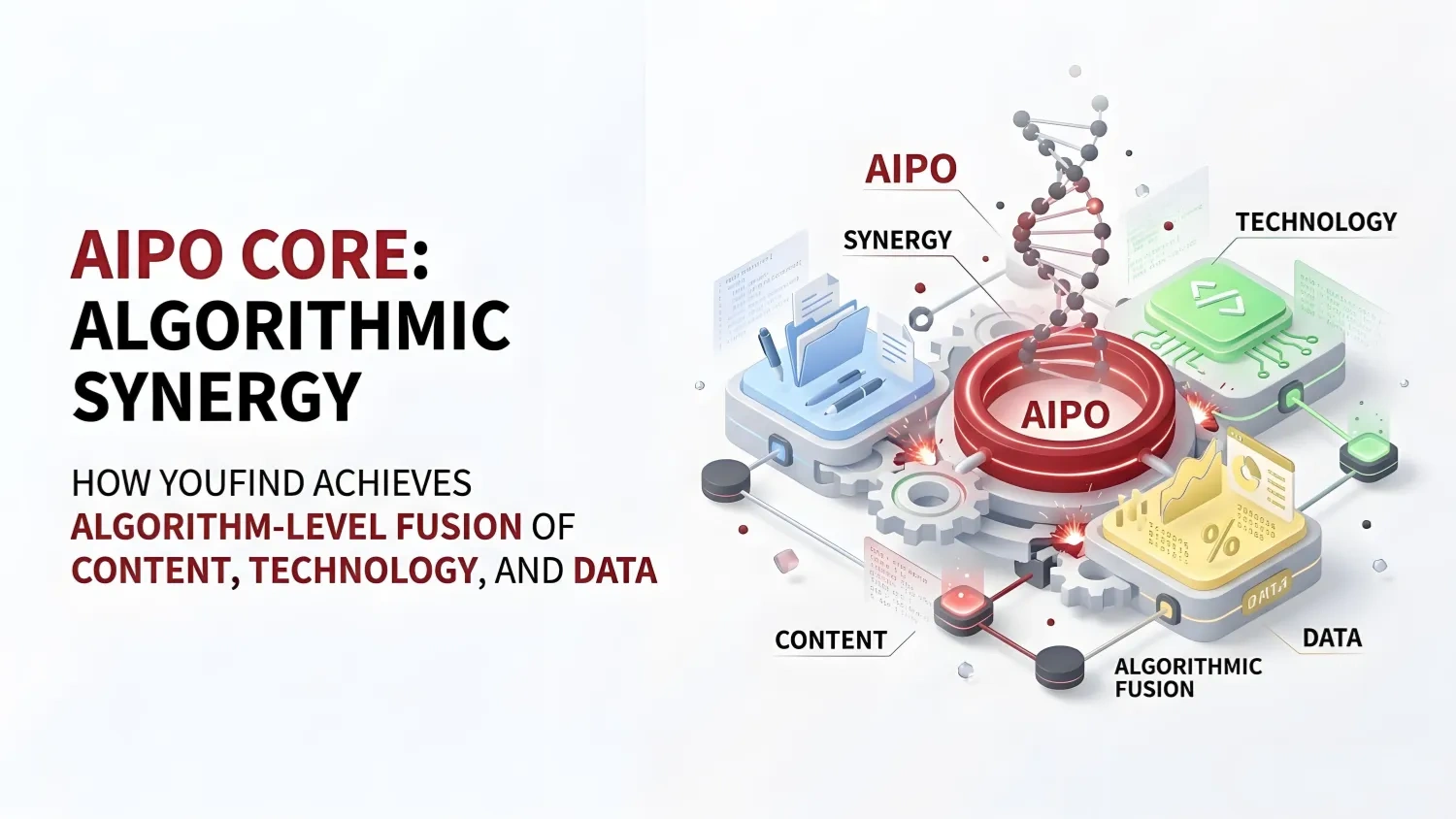
From the analysis above, it’s clear that content and technology are not an “either/or” choice but rather two complementary wings. The highest Return on Investment always comes from their synergy.
The Content and Technology Synergistic Framework
Think of it this way: Technology is the ticket; content is the show. Technical optimization ensures users can successfully “enter the venue” and “find their seat,” while brilliant content (the show) makes them willing to stay and become engrossed. The true strategy to increase page dwell time and reduce bounce rate must be the combination of an “ultimate solution for slow web page loading speed and lowering bounce rate” with “high-value, highly appealing content creation.”
For example, you use practical SEO techniques to write a compelling introduction to improve bounce rate, but the page loads slowly due to numerous uncompressed images, causing users to lose patience and leave before the content is even displayed. Conversely, a page that loads instantly, but has empty or irrelevant content, will be quickly closed by the user as well.
Phased Investment Decision Recommendations
- Initial Diagnosis Phase: First, apply the diagnostic method for abnormally high landing page bounce rate to conduct a comprehensive technical check-up. Ensure the website’s loading speed and mobile responsiveness meet basic experience standards. This is the prerequisite for any subsequent content investment to take effect.
- Mid-term Reinforcement Phase: Once the technical foundation is solid, focus resources on the depth and appeal of the content. Continuously produce high-quality content, and use internal linking, multimedia integration, and other techniques to effectively boost Time on Page.
- Long-term Optimization Cycle: Regularly monitor data, observe the impact of different content types and technical adjustments (e.g., switching to a faster CDN service) on Time on Page and bounce rate, forming a continuous “optimize-measure-learn” improvement loop.
The value of professional digital marketing services lies in providing this comprehensive perspective and execution capability. They can not only perform deep technical diagnosis and correction but also develop a matching content strategy, ensuring that every dollar of your investment achieves maximized returns through synergistic effects.
The solution to short Time on Page and an abnormally high landing page bounce rate is not a single shortcut. It is a collaborative campaign that requires both content appeal and technical fluidity. Investing in either one in isolation will struggle to achieve the most ideal ROI.
The most effective strategy begins with a comprehensive technical check-up to eliminate fundamental experience barriers, followed by a continuous increase in content value to firmly capture user attention. When you successfully combine a fast, practical solution for slow web page loading speed and lowering bounce rate with content that resonates, you create a high-quality experience that immerses the user and naturally extends Time on Page.
If you are struggling with your website’s high bounce rate and short dwell time, I recommend starting immediately with a technical diagnosis and re-evaluating your content strategy. Consider seeking a team with dual expertise in both technology and content to conduct a comprehensive, synergistic diagnosis and planning for your website. This will be the most crucial step toward success.