

Short-term Gains are the Greatest Enemy of SEO
In the pursuit of search rankings, many businesses are often lured by promises of “instant results” or “guaranteed rankings,” leading them into the trap of buying Chinese and English backlinks. In 2026, search engine algorithms—particularly Google’s SpamBrain AI—have evolved to the point where they can precisely identify unnatural links.
For brands, SEO is a marathon. A single wrong decision—such as purchasing cheap link services—can lead to your website being permanently devalued by Google or even removed from search results. This article will provide an in-depth analysis of the essence of external links, uncover the truth behind buying links, and teach you how to build solid authority through White Hat SEO.
What is a Backlink? Why is it Called the “Vote” of SEO?
In the eyes of search engines, an external link represents a “recommendation.” If a large number of high-quality, relevant websites link to your page, Google perceives your content as having Authority, thereby granting it higher rankings.
However, not all votes are created equal.
- High-Quality Links: From mainstream media, industry authority sites, and relevant pages with genuine traffic.
- Low-Quality Links: From forum comments, Content Farm Architecture (CFA) sites, or “Link Farms” created solely for selling links.
| Link Type | Characteristics | Risk Level |
|---|---|---|
| Natural White Hat Links | Mainstream media coverage, high-quality content referrals | Extremely Low |
| Paid PBN Links | Private Blog Networks, artificial authority | Extremely High |
| Spam Comments/Forum Links | Generated by automated tools, irrelevant content | Extremely High |
Four Fatal Risks of Buying Chinese and English Backlinks
Many providers use “High-quality PBNs” or “High-quality Chinese backlinks” as gimmicks, but these carry significant hidden risks:
- Google Algorithm Penalties: Google’s AI detection systems identify sudden surges of low-quality links in a short timeframe.
- Negative SEO Attacks and Data Pollution: Purchased links are often located in “bad neighborhoods,” damaging a brand’s E-E-A-T score.
- Loss of Authority and “Spam Footprints”: These links are often unstable; once flagged, all previous budget investment returns to zero.
- Brand Reputation Damage: Links appearing on low-quality or vulgar websites can severely harm a brand’s image.
Professional Tips: How to Identify Black Hat SEO Traps?
As an experienced SEO consultant team, we recommend watching for the following when screening providers:
- Promises of “Specific Quantities”: High-quality links cannot be mass-produced; only spam links can be sold as “100 links at once.”
- Refusal to Provide Link Lists: Hidden sources are usually intended to mask the low quality of a PBN.
- Disregard for Content Relevance: Cross-industry links (e.g., a pet site linking to a finance site) are easily detected by algorithms.
2026 White Hat Link Building Strategy: How to Safely Gain Authority?
Improving authority through External Link Optimization should follow these principles:
1. Digital PR
Attract mainstream media coverage to obtain high-quality “dofollow” links. You can refer to our Digital PR services for more details.
2. The Skyscraper Technique
Produce content with higher reference value and proactively contact relevant industries for recommendations.
3. Asset-Oriented Content Marketing
Develop free tools or industry reports that encourage other website owners to actively cite your resources.
Technical Safeguards: Link Audits and Cleanup
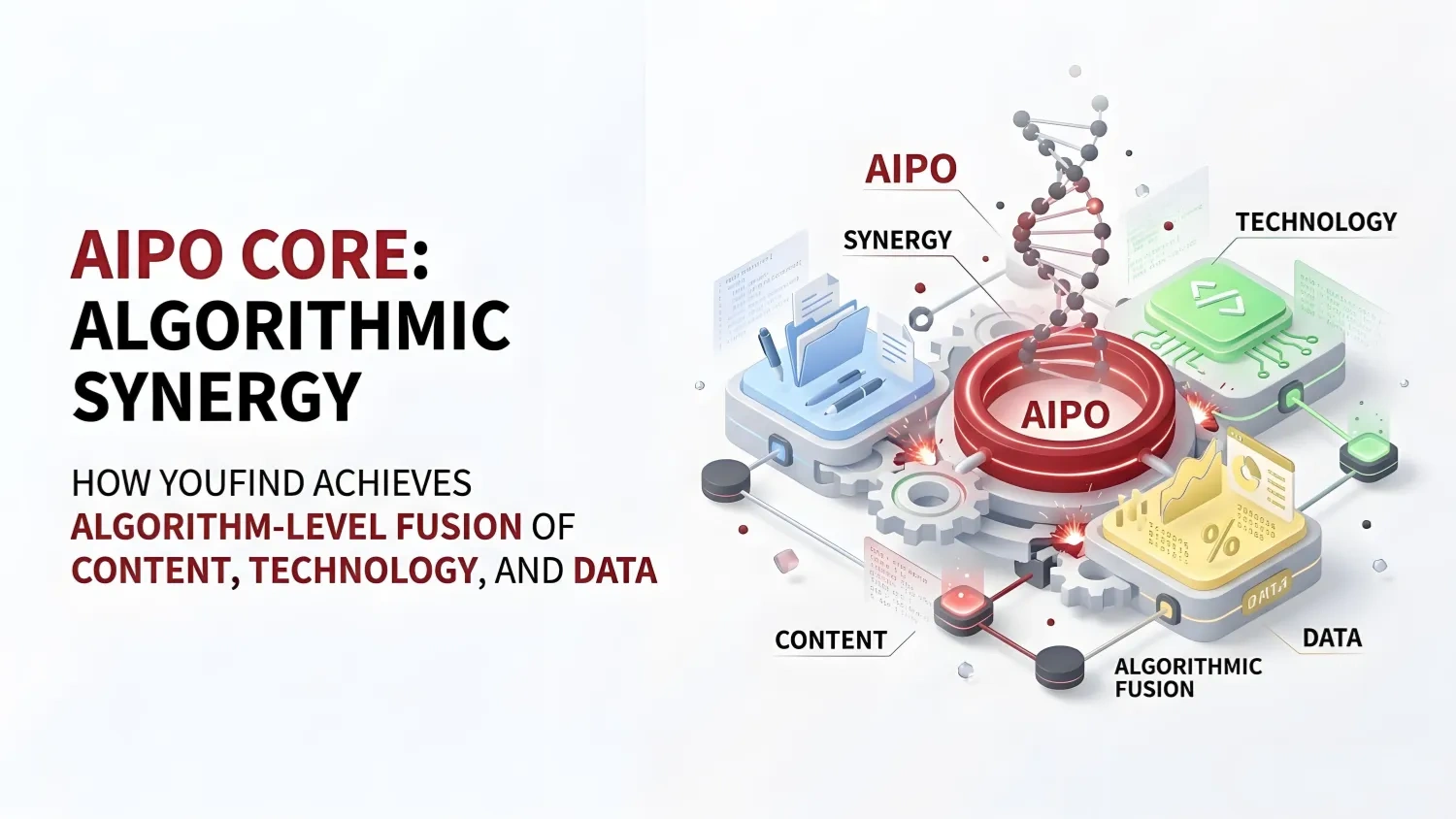
At YouFind, we utilize AI Platform Optimization technology to help clients monitor abnormal traffic. Especially in the era of Google AI Overviews, ensuring source safety is critical. We also provide optimization suggestions based on retrieval trends from ChatGPT, Gemini, and Perplexity.
FAQ
1. If a competitor is buying links and ranking high, should I report them?
Google has a spam reporting mechanism, but algorithms often have a delayed effect. We recommend focusing on improving your own E-E-A-T, as Black Hat rankings are highly unstable and can lead to a permanent collapse once a filter is triggered.
2. Does the backlink authority of an expired domain help a new site?
It can, but you must audit whether the domain has a history of violations. If the old links are irrelevant to the new business, the efficiency of authority transfer will be significantly reduced.
3. Should link building for multi-language sites (e.g., Chinese and English) be done separately?
Yes. To build regional authority, the Chinese version should prioritize .hk links, while the English version should target international authority sites. This helps consolidate regional relevance.
4. Do social media shares (FB/IG) count as backlinks?
Social links usually carry the “Nofollow” attribute and do not directly pass PageRank. However, the “Social Signals” they generate can speed up the rate at which Google indexes new pages.
5. Are editorial links from Wiki-style sites worth pursuing?
Although Wikipedia links are Nofollow, they hold high strategic value for building brand credibility and serve as a key reference for Google AI to determine entity importance.
6. Will my ranking drop if I stop Link Building?
SEO has momentum, but competitors are constantly improving. Healthy link building should be a continuous “dynamic growth” process; a long-term halt may be interpreted as a decline in website activity.
7. Which is better: One-way links or Reciprocal links?
One-way links are considered genuine recommendations and hold the highest value. Excessive and symmetrical reciprocal links can easily be flagged as a “link scheme” and should be avoided.
8. Are .edu or .gov links truly the “gold mines” of SEO?
These domains possess inherent trust. However, if a link is obtained through improper means or is completely irrelevant to the content, Google will still treat it as a spam link.
9. How can I tell if a backlink has taken effect?
The most accurate indicator is when the URL appears in the “Links” report of Google Search Console, signifying that Google has completed crawling and authority calculation.
10. Can AI-generated content attract natural links?
Purely AI-generated content often lacks uniqueness. Only content that combines exclusive data, experimental results, or unique perspectives possesses the value required to be cited by others.
Honesty is the Best SEO Strategy
The essence of external link optimization lies in “value exchange.” Only when your website provides real value to users will search engines grant you lasting respect and rankings. Feel free to contact our SEO consultants for a professional, exclusive link safety audit.