

Google AI (BERT, MUM, Gemini) is more than just a new tool; it is fundamentally reshaping the underlying logic of SEO. We have conducted an in-depth analysis of how AI is shifting the ranking focus from mere “keywords” to the deep trust embodied by “E-E-A-T.” The introduction of SGE (Search Generative Experience), in particular, has made zero-click searches a reality. Is your content at risk of being summarized by AI, or can it become a source of authoritative citation for AI? This in-depth article will tell you:
- How Google AI determines whether content contains “Authentic Experience.”
- How to optimize content to ensure it is cited by AI in response to the SGE impact.
- The strategic significance of Technical SEO (such as structured data) in the AI era.
The world of Search Engine Optimization (SEO) is undergoing an unprecedented transformation. With the deep integration of Google AI technology, traditional ranking signals and content strategies are being overturned. This is no longer the era of simply stuffing keywords or building a large volume of backlinks. Google’s AI models, such as advanced systems used for search result generation and content understanding (like BERT, MUM, SGE/Gemini), are evaluating a website’s quality and value in a way that is much closer to human assessment.
Our core argument is: SEO is shifting from “Robot Optimization” to “Human Experience Optimization.” In the AI era, if your content fails to meet human needs for authenticity, depth, and trust, it will also fail to meet Google AI’s requirements.
From Keywords to the Deep Trust of E-E-A-T
A. The E-E-A-T Upgrade: A Core Shift in the Ranking Mechanism
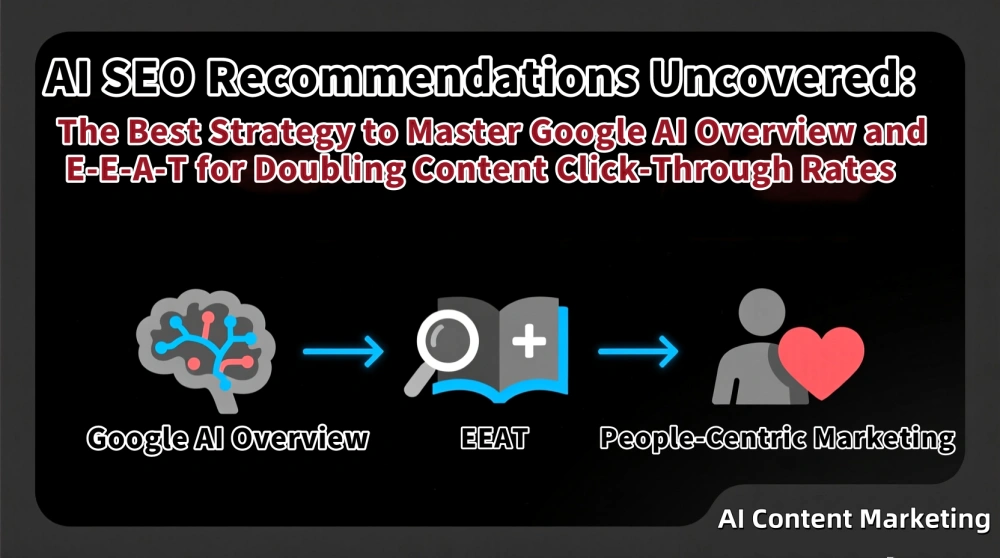
The biggest way Google AI is reshaping SEO rules is by elevating the standards for assessing “content quality” to a new dimension. This is no longer just E-A-T (Expertise, Authoritativeness, Trustworthiness); it now includes the crucial E (Experience), evolving into E-E-A-T.
Google’s AI systems, especially large language models like Gemini, are able to filter and determine with surprising efficiency and accuracy whether content is underpinned by genuine, first-hand experience.
What is the New “Experience” (E)?
“Experience” refers to whether the content creator has actual hands-on, usage, or life experience with the topic discussed. AI is being trained to distinguish between:
The goal of AI is to simulate the human reader’s trust process: we are more likely to trust someone who has actually used the product, visited the place, or solved the problem.
B. The Evolution of Semantic Understanding
Thanks to technologies like BERT and MUM, Google AI no longer relies solely on single keyword matching. It can now understand the Semantic meaning and underlying Search Intent of the entire query.
- Focus on Intent, Not Vocabulary: The search engine can now accurately determine whether the user intends to “buy a product (transactional intent),” “learn new knowledge (informational intent),” or “find a specific website (navigational intent).”
- Elevation of Long-Tail Keywords: When people search in a more natural, conversational manner, the value of long-tail content that is deep and can answer complex questions is greatly enhanced.
C. Content Authenticity and “Entities”
Google AI verifies content authenticity through Entity Linking.
- Definition of Entity: An entity is an identifiable object, concept, person, or brand in the real world. AI connects these entities through Google’s Knowledge Graph.
- Verification of Authenticity: Facts or people mentioned in the content are cross-referenced by AI against authoritative data in the Knowledge Graph. If your website’s description of an “entity” aligns with generally accepted information and provides unique insights, the AI will deem it as high-quality content.
The Impact of AI Search: SGE (Search Generative Experience) and the Content Battle
With Google introducing the Search Generative Experience (SGE), the Search Engine Results Page (SERP) is undergoing massive changes. The core of SGE is to provide an AI-generated, synthesized answer block designed to directly satisfy complex search queries, reducing the need for users to jump between multiple websites.
A. Changes in the Search Results Page (SERP) and Multi-step Reasoning
Generative AI Snippets now often occupy the top of the screen, typically presented in a dedicated, visually prominent block. This block is extremely information-dense and capable of handling complex problems requiring Multi-step Reasoning, such as: “Plan a weekend travel itinerary with a stopover and recommend nearby vegan restaurants.”
- From Link Lists to Integrated Answers: The traditional “10 blue links” model is challenged, and users are more likely to rely on the integrated information provided by AI.
- Visual and Brand Exposure: SGE summaries often come with visual elements and cite sources at the bottom, which gives your brand an opportunity for high-value “visual exposure,” even without an immediate click.
B. The Risk and Opportunity of Content Being “AI Summarized”
The emergence of SGE is a double-edged sword for SEO traffic distribution, affecting whether your website can benefit from search results:
- Risk (Zero-Click Searches): This is the biggest challenge posed by SGE. Users may get sufficient answers within the AI summary and not need to click through to your website. Content offering general, basic information faces the highest risk of traffic loss.
-
Opportunity (Becoming a Citation Source): If your content possesses extremely high E-E-A-T and precise structured data, Google AI is more likely to select your website as a source for its summary.
- Enhancing Authority: Being cited by AI is a significant endorsement of your website’s Authority (A) and Expertise (E).
- Long-Term Traffic: Although initial clicks may decrease, the enhanced authority contributes to overall ranking for other keywords and may attract advanced users seeking deeper information on the topic to click.
C. Content Optimization Strategy in the SGE Era
To withstand the impact of SGE, content optimization must strategically cater to AI’s parsing habits:
- Structure is King: Make content clear, readable, and structurally rigorous. Use numbered lists, bullet points, Q&A formats, and tables frequently, as this enables AI to quickly extract key information points.
- Go Beyond the Basics, Offer “Second-Tier” Information: Avoid writing basic knowledge that AI can easily synthesize. Focus on providing exclusive data, deep analysis, controversial perspectives, or complex comparisons. This content is more likely to attract user clicks because AI summaries struggle to replace its depth.
-
Use Specific Schema Markup: Beyond common FAQ or HowTo Schema, actively use structured markup such as
QAPage,Article,Reviewto guide AI on which information is core and which are supporting details.
New Focus of Technical SEO in the AI Era
While content remains paramount, Technical SEO is still the cornerstone of the AI era.
A. Double the Importance of Core Web Vitals
AI places greater emphasis on a fast, smooth, and unobstructed user experience. Load speed, interactivity response time, and visual stability (LCP, INP, CLS) not only affect user retention but also directly influence ranking weight. A slow or poor-experience website will have its E-E-A-T signals diminished.
B. Strategic Significance of Structured Data (Schema Markup)
Structured Data (Schema Markup) acts like a clear “map” of your website’s content, helping AI quickly and accurately understand the type and relationship of the content.
- Improving Parsability: Using markups like FAQ, HowTo, Product, or Review Schema helps AI more easily extract snippets of your content to be part of SGE summaries or Rich Results.
C. Mobile-First and Accessibility Design
Google AI ensures content has high usability across all devices and for all users. Mobile-First is already standard, and Accessibility ensures your content is accessible and understandable to all users, which indirectly boosts AI’s evaluation of the site’s quality.
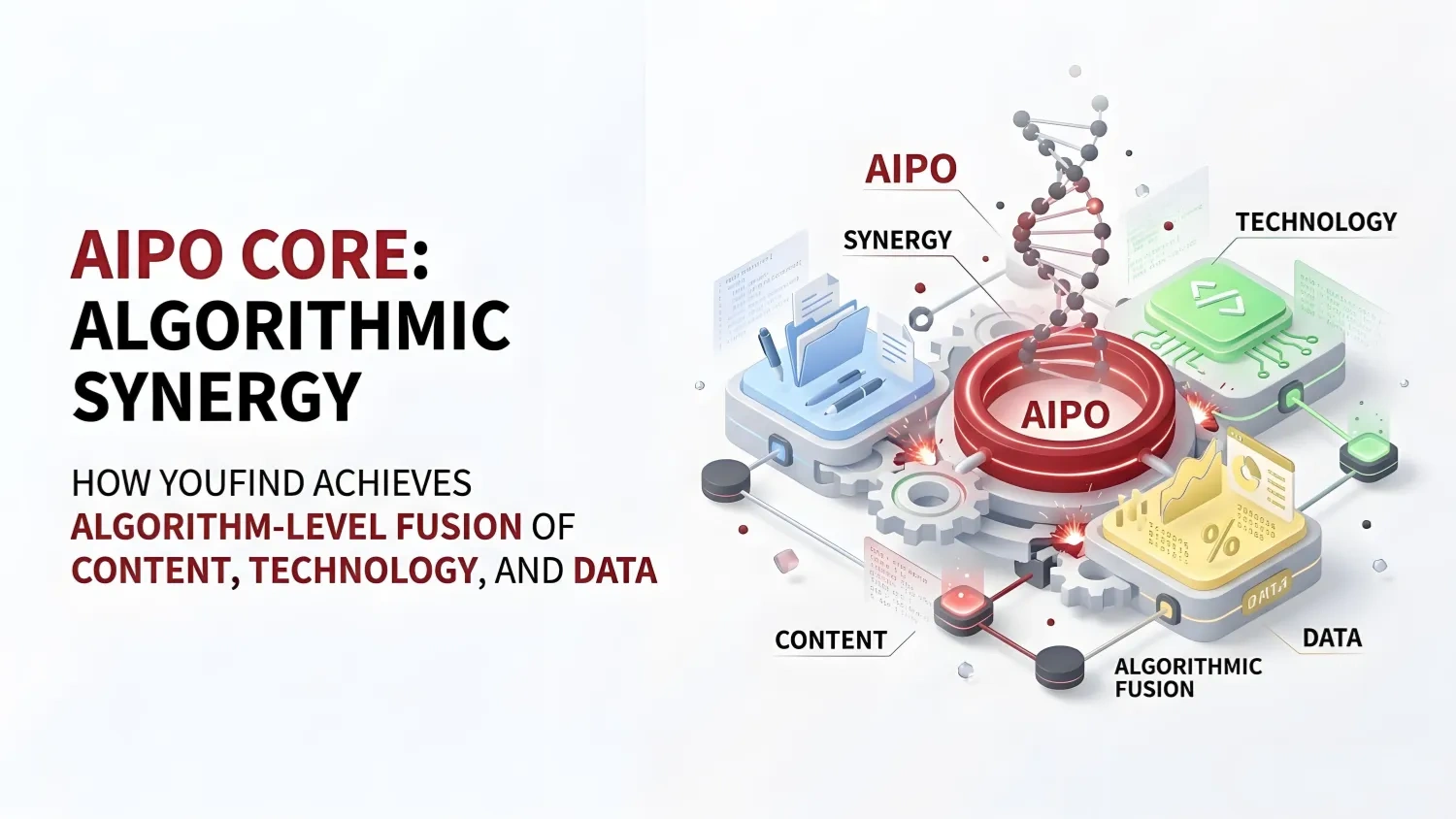
Core Advantages of AIPO SEO
Adopting the AIPO (AI-era Optimization) strategy is not just about adaptation; it’s about gaining a powerful competitive edge. When your website embraces authentic experience, deep expertise, and strong trust, you will reap the following key benefits:
A. Enhanced Core Trust and Resilience
Optimizing E-E-A-T directly builds deep trust with Google AI regarding your website. This means your website will have higher “resilience” during Google’s core algorithm updates. While other sites relying on low-quality, generic content suffer ranking fluctuations, you maintain a lead due to your solid foundation of trust.
B. Winning Complex Search and Multi-step Reasoning Traffic
Google AI, especially SGE, excels at handling complex, multi-step reasoning queries. Traditional SEO struggled to capture this type of long-tail traffic. AIPO content, which focuses on providing deep, structured answers, is more likely to be selected and cited by AI, thereby capturing this high-value, high-intent traffic segment.
C. A Qualitative Change in Conversion Rate
AIPO-optimized content is “user-centric”—it directly addresses the user’s core pain points and provides proof of real experience. This not only attracts a more relevant target audience but, more importantly, high trust directly translates into higher post-click engagement, longer dwell time, and ultimately, higher sales or sign-up conversion rates.
Is Your Website Ready?
Facing the AI-reshaped SEO rules, here is an action list you must implement immediately:
-
Establish Authentic “Proof of Experience”:
Clearly tag the author for every piece of content and create a detailed author bio page listing their professional background and genuine experiences. Wherever possible, include proprietary images, videos, data screenshots, or case studies within the content to prove first-hand experience.
-
Focus on Depth and Uniqueness:
Provide insights and perspectives that go beyond surface-level information, making it difficult for AI to synthesize on its own. When solving a specific problem, the content should be more comprehensive and useful than other resources, creating an original perspective that AI cannot replicate.
-
Audit and Consolidate Content Assets:
Conduct a comprehensive content audit. Remove or update low-quality, thin content pages. Consolidate content assets to ensure every page meets the new E-E-A-T standards.
-
Make Trust Signals Transparent:
Ensure key pages like contact information, privacy policy, and terms of service are clearly visible, establishing solid “Trust” (T). Encourage users to leave valuable reviews and ratings on the site.
AI Is Not a Threat, But a Catalyst for Evolution
The ultimate goal of Google AI reshaping SEO rules has always been to provide users with the most relevant, reliable, and valuable content. The essence of this transformation is shifting SEO’s focus from machines to humans.
Instead of viewing AI as a threat, see it as a catalyst for evolution. Now is the best time to shift your SEO strategy from “quantity” to “quality,” from “stuffing” to “depth,” and from “optimization” to “trust.”
Start adjusting your content strategy immediately, prioritizing a “human-centered” approach, and your website will prevail in the future AI-driven search ecosystem.