

With the rapid rise of artificial intelligence (AI) tools, a common question has emerged: will AI cause traditional search engines like Google to lose relevance? User behavior analytics company Datos and SEO platform Semrush both conducted studies to address this question. The simple conclusion: not only has AI failed to replace Google, but in some ways it has even reinforced the role of search engines.
AI vs Google
First, we must acknowledge the explosive growth of AI tools. According to Datos, as of now, 38% of Americans use an AI tool at least once per month. Among them, “heavy users” (10+ uses per month) have surged from just 3% in early 2023 to 21% today—a sevenfold increase in just two years.
But does this mean people are abandoning Google? The data says “No.”
The same study found that 95% of respondents still use traditional search engines (Google, Bing, etc.) regularly, with only a 1% decline compared to the previous year. Interestingly, AI users tend to rely on search engines even more.
This suggests that AI isn’t cannibalizing Google’s traffic—on the contrary, it may be driving users to conduct more searches in certain situations. The logic is simple: users might turn to ChatGPT for brainstorming, concept summaries, or content drafts, and then return to Google for fact-checking, brand websites, price comparisons, or local services.
The Real Impact of AI on Google Search
To measure AI’s real impact on search, Semrush tested two opposing hypotheses:
- Substitution Hypothesis: Using ChatGPT reduces reliance on Google—they are competitors.
- Expansion Hypothesis: ChatGPT doesn’t reduce Google usage but instead expands overall information-seeking behavior—they are complementary.
Over an 18-month tracking study (Jan 2024 – Jun 2025), Semrush reached a clear conclusion: the data strongly supports the Expansion Hypothesis.
Here are the four key findings:
- Google searches did not decline: After adopting ChatGPT, users maintained their search frequency, with some showing slight increases.
- Daily search habits stayed consistent: On the day users first tried ChatGPT—and every day after—the number of Google searches showed no significant change. This dispels the myth of “using AI means no more Google.”
- Stable long-term trends: Even after 500 days of heavy ChatGPT use, users’ search behavior on Google remained steady.
- Control group validation: Users who never tried ChatGPT showed the same stability in Google usage, reinforcing the reliability of the results.
Together, these reports highlight a key fact: users switch flexibly between Google and AI tools depending on context and need.
Google’s dominance remains intact, but that doesn’t mean brands can ignore AI. Instead, they should embrace this shift and prepare for the future of digital marketing.
AI vs Google: 3 Key Marketing Strategies
Based on these studies, the coexistence of AI and search engines signals three important shifts in content and marketing strategy.
1. Evolution of Information Presentation
Traditionally, SEO focused on ranking high on Google’s results page. Now, with AI features like AI Overviews, search results are more diverse: users see both classic web links and AI-generated summaries.
This means content strategy must adapt on two levels:
- Traditional SEO continuity: Keyword research, technical optimization, and content marketing remain essential, as organic search is still a major traffic source.
- AI-focused content optimization: Content must demonstrate expertise, authority, and trustworthiness (E-A-T), using structured data and clear signals so AI can accurately interpret, cite, and recommend it. The goal: become a trusted source AI relies on when generating answers.
2. Diversified Information Pathways
The user journey is no longer just “Google search → website click.” Instead, it spans multiple platforms. For example:
- Ask ChatGPT an initial question (e.g., “What are the best facial treatments in Hong Kong?”).
- Learn about several brands or services from the AI response.
- Switch to Google to check official websites or reviews.
- Visit social media or forums to explore real customer experiences.
For brands, this means visibility must extend beyond Google—covering websites, reviews, media coverage, and other credible touchpoints. This multi-platform presence increases the chance of being recognized as a trusted authority across search and AI ecosystems.
3. Dynamic Shifts in Market & User Behavior
Datos also noted that usage of both AI tools and search engines dips during summer breaks—possibly linked to student activity cycles.
This suggests adoption speed and usage habits aren’t static; they vary by audience and seasonality.
The takeaway: continuous monitoring of data and market trends is essential. By observing behavioral shifts across user groups, businesses can fine-tune strategies to stay aligned with real-world dynamics.
These two studies lead to a clear conclusion: the rise of AI has not diminished the role of traditional search engines, especially Google.
- Macro-level data shows the vast majority of users still rely on search engines.
- Micro-level behavior analysis confirms that even AI users maintain steady search activity.
The data proves that AI and search engines are not in a zero-sum battle, but coexist as complementary tools for information discovery—and may even reinforce each other.
How Can YouFind Help?
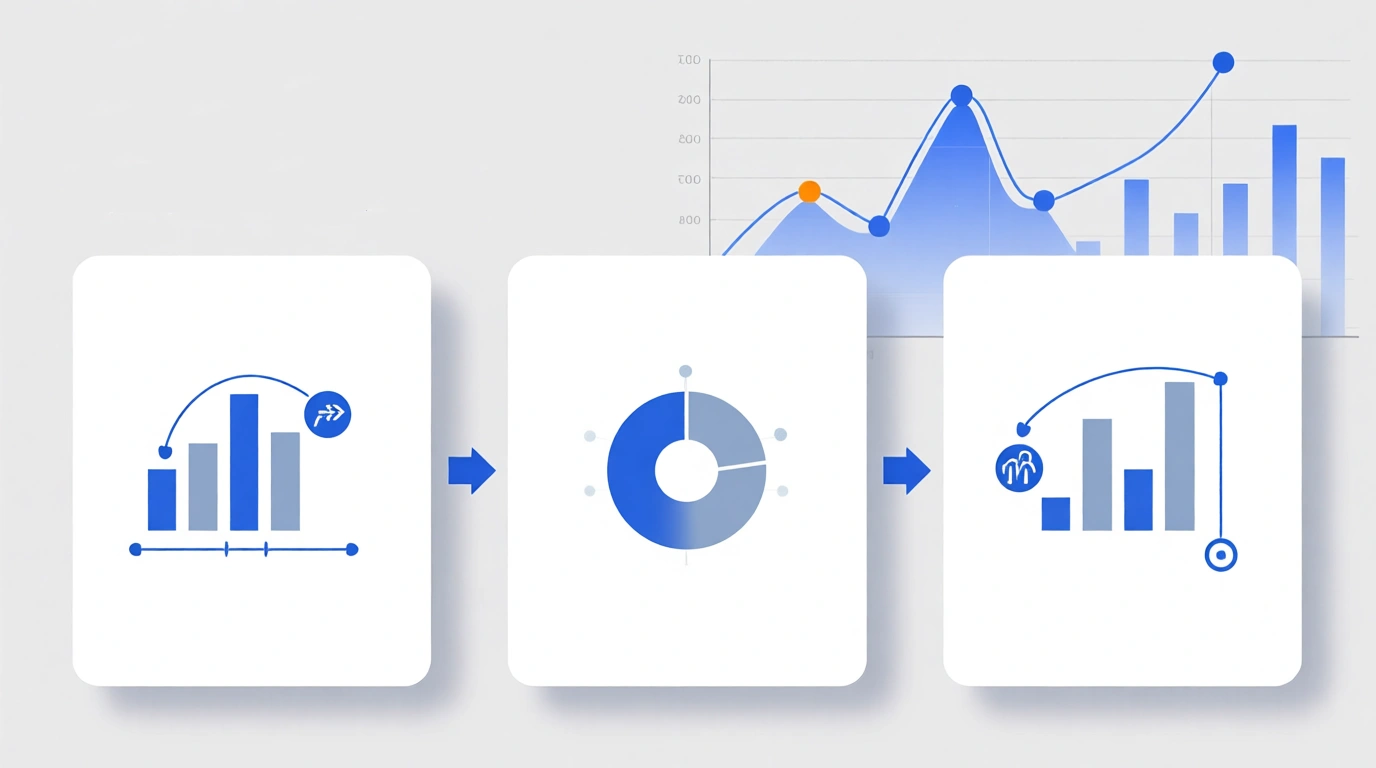
At YouFind, our consulting services follow a three-step approach:
- Website Health Check – Analyzing data and identifying improvement areas.
- Strategic Guidance – Developing a customized digital marketing growth plan.
- Goal Implementation – Executing the plan and continuously tracking performance.
Want to learn more about digital marketing? Contact us today for a free consultation!